Is homebirth safe?
Homebirth is a safe option for people with uncomplicated, full-term pregnancies when attended by a qualified midwife. For those who are at higher risk for complications, a hospital setting may be the better choice. Midwives are skilled in assessing risk throughout pregnancy and labor, ensuring that both the birthing person and baby are safe. If you’d like to explore the evidence supporting the safety of homebirth, consider reviewing the following studies:
Isn’t birth messy?
Our goal is to leave your house cleaner than when we arrived, therefore striving to maintain a clean environment throughout the process. Before your due window, we’ll provide you with a link to a website where you can order a “birth kit.” This kit includes disposable items designed to help manage any mess and keep your space as tidy as possible. After the birth, while you enjoy precious moments with your newborn, we will discreetly clean up, ensuring trash has been taken out and a load of laundry is started prior to our departure.
Can I birth in the water?
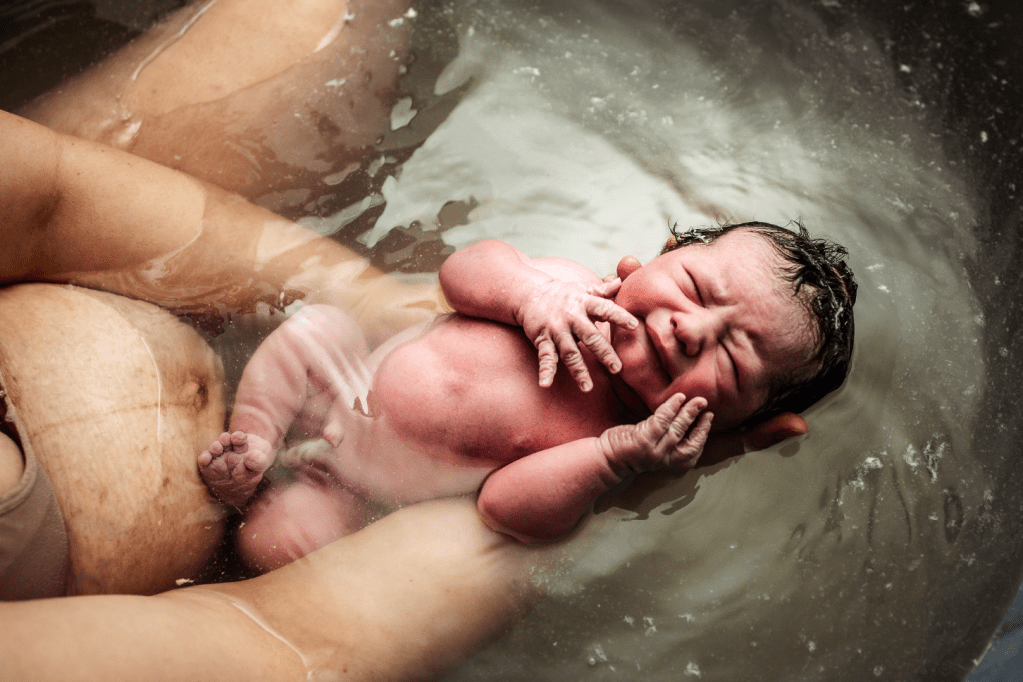
Water birth is a wonderful option for those who are interested. Many families choose to rent our birth tubs for added comfort during labor, whether they intend to birth in the water or not. Hydrotherapy can help ease pain and promote relaxation, making it a popular choice for many birthing people.
What equipment does the midwife bring to a birth?
Monitoring devices such as a Doppler, blood pressure cuff, stethoscopes (adult and infant), and thermometer.
For the newborn exam and any procedures you opt for, we bring items like a scale, measuring tape, erythromycin ointment, Vitamin K and Rhogam.
We also carry herbs & medications to manage postpartum bleeding as well as resuscitation tools, including a bag and mask resuscitator and oxygen, to address any complications.
In the event of any tearing, our midwife is equipped with suturing tools and lidocaine for numbing during repairs.
What if something goes wrong?
Midwives are well-trained to manage specific complications that may arise during a home birth, as well as to recognize when hospital transport is necessary. Prior to the birth both emergent and non-emergent transport plans are discussed and finalized. One common complication is postpartum hemorrhage, where a birthing person experiences excessive bleeding after the baby is born. In such cases, we carry the same medications used in hospitals to control the bleeding efficiently and effectively. Another relatively common situation is when a newborn needs assistance to inflate their lungs and begin breathing. Every midwife attending your birth is certified in neonatal resuscitation and follows the same protocols as hospital staff.
What is the most frequent reason for transfer to hospital?
Likely, but not always, a first-time laborer experiencing prolonged labor, where the birthing person reaches their limit of exhaustion. In all cases, one midwife joins the transfer taking on a doula role at the hospital, helping clients navigate informed consent/decline of interventions – such as an epidural to help with rest and facilitate a safe delivery. Your safety and well-being are our top priorities throughout the entire process.
 Bloom Midwifery